
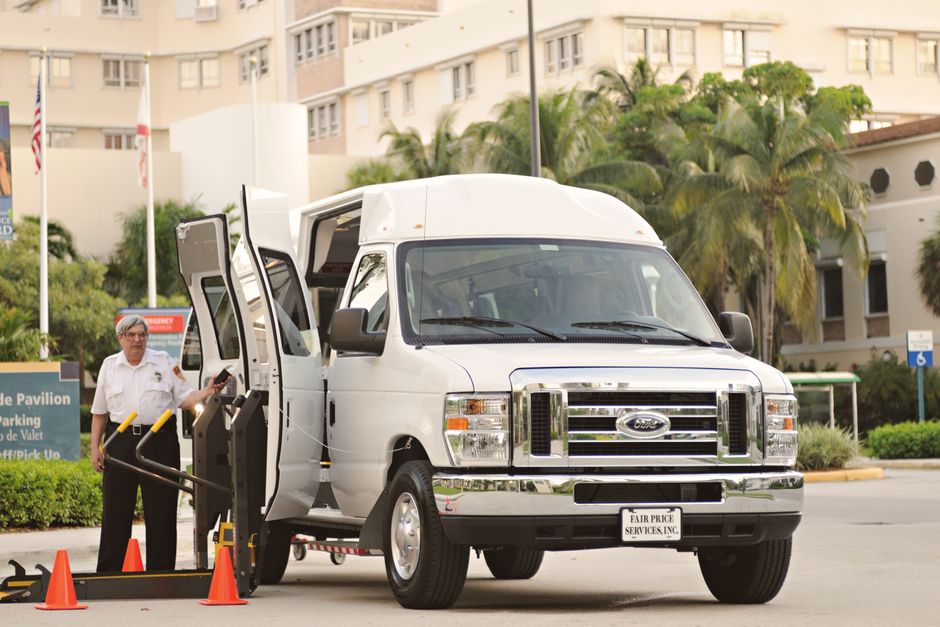
Transportation is a practical part of assisted living, not an optional convenience. For residents in Shaler, PA, dependable rides can make it easier to attend medical appointments, visit family, participate in activities, shop for essentials, and remain connected to the community.
Transportation needs often change after a move to assisted living. A person may no longer drive, may feel uncomfortable driving at night, or may need help getting from a doorway to a vehicle. Understanding how transportation works can help residents and families plan safely and avoid missed appointments.
What transportation services are usually available in assisted living?
Most assisted living residences provide or arrange transportation on a regular schedule for medical and social appointments within a reasonable local area. The exact schedule, destinations, vehicle type, and fees vary by residence.
Transportation may include:
- Scheduled trips to medical, dental, vision, or therapy appointments
- Group outings for shopping, recreation, or community activities
- Transportation to pharmacies or essential errands
- Rides to religious services or family events
- Assistance getting into and out of the vehicle
- Wheelchair-accessible transportation, when available and appropriate
A residence may use its own vehicle, staff transportation, or an outside transportation service. Residents should ask whether transportation is included in the monthly cost or billed separately.
Regular transportation does not always mean rides are available at any time of day. Many residences operate on a weekly schedule, with a limited number of appointments or destinations served during each trip. Advance planning is usually necessary.
Does assisted living provide transportation to medical appointments?
Often, yes. Pennsylvania assisted living requirements provide for transportation or transportation arrangements on a regular weekly basis so residents can schedule medical and social appointments in a reasonable local area.
This does not necessarily mean every appointment can be accommodated. A residence may have limits involving:
- Appointment times
- Distance
- Number of riders
- Driver availability
- Vehicle accessibility
- Whether a resident needs an escort
- Whether the appointment requires specialized medical transportation
Residents should ask how far in advance a ride must be reserved. It is also useful to confirm the expected pickup window, return process, and what happens if an appointment runs late.
Transportation to a routine office visit is different from ambulance transportation or emergency medical care. Assisted living transportation generally is not designed for emergencies, stretcher transport, or medical monitoring during the ride.
What should residents ask before relying on a transportation schedule?
A written transportation policy can prevent misunderstandings. Important questions include:
- How often are transportation trips offered?
- Which destinations are considered part of the local service area?
- Is transportation available on weekends or evenings?
- How many days ahead must a ride be scheduled?
- Are there limits on the number of trips per week?
- Is there an additional charge?
- Can the vehicle accommodate a walker, wheelchair, or portable oxygen?
- Does the driver provide door-to-door assistance?
- Is a family member allowed to ride along?
- What happens if a medical appointment is delayed?
- Who confirms the return ride?
- What is the procedure for cancellations?
A resident who needs help with transfers, balance, memory, or communication may need more than a vehicle ride. The residence should explain whether staff can provide hands-on assistance or whether a family member or qualified escort must accompany the resident.
How do walkers and wheelchairs affect transportation?
Mobility equipment should be discussed before transportation is scheduled. A standard passenger vehicle may hold a folding walker but may not safely accommodate a wheelchair without a lift or ramp.
Residents should provide accurate information about:
- The type and size of mobility equipment
- Whether the equipment folds
- Whether the resident can transfer into a regular seat
- Whether assistance is needed at the entrance or curb
- Whether oxygen equipment or other medical devices are carried
A wheelchair-accessible vehicle may still require the resident to meet certain safety requirements. For example, a wheelchair may need to be secured in a designated position, and a passenger may need to use a vehicle restraint system.
Winter conditions deserve special attention in Shaler. Snow, ice, uneven pavement, and sloped driveways can make the short distance between a building entrance and a vehicle more hazardous than the ride itself. Transportation plans should account for safe pickup areas, suitable footwear, and extra time during poor weather.
Can residents use public or shared-ride transportation?
Some residents use public transportation, shared-ride programs, or paratransit in addition to assisted living transportation. These services may be helpful for residents who are eligible because of age or disability, but they often require advance registration and reservations.
Shared-ride transportation is not the same as a private taxi. Pickup times may vary, trips may include other passengers, and the vehicle may arrive within a scheduled window rather than at an exact minute. Residents may also need to travel to a designated pickup area unless door-to-door service is approved.
Eligibility, service areas, fares, and reservation rules can change. Residents and families should verify current requirements directly with the applicable transportation program before depending on it for an important appointment.
Public transportation may work well for residents who can walk safely, manage waiting time, understand route information, and board independently. It may be less suitable for someone with significant confusion, fatigue, fall risk, or difficulty managing transfers.
Who accompanies a resident to the appointment?
Transportation usually covers the ride, not personal support during the appointment. A driver may be able to assist with boarding, but may not be permitted to remain with the resident in a medical office or make healthcare decisions.
An escort may be needed when a resident:
- Has memory loss or becomes disoriented
- Needs help completing paperwork
- Cannot explain symptoms independently
- Requires assistance with toileting or meals
- Has difficulty walking from the entrance to the office
- May receive instructions that need to be remembered
- Is likely to become anxious or unsafe when alone
Before the appointment, families should clarify who will accompany the resident, who will bring medication or paperwork, and how the resident will return to the residence.
How can families make transportation more reliable?
Good transportation planning begins with a current list of appointments, mobility needs, emergency contacts, and preferred appointment times. Provide the residence with updated information whenever a resident’s walking ability, memory, vision, hearing, or medical equipment changes.
For recurring appointments, scheduling several weeks ahead may improve the chance of getting a suitable ride. It also helps to choose appointment times that allow for transportation delays and avoid severe winter weather when possible.
Residents should keep essential items ready, including identification, insurance information, glasses, hearing devices, medication instructions, and contact information for the appointment office. A written appointment card can be useful for residents who have memory difficulties.
Transportation is most successful when the ride, the entrance, the appointment, and the return trip are planned as one continuous process. For households considering assisted living, transportation policies deserve the same careful review as meals, activities, medication support, and emergency procedures.
